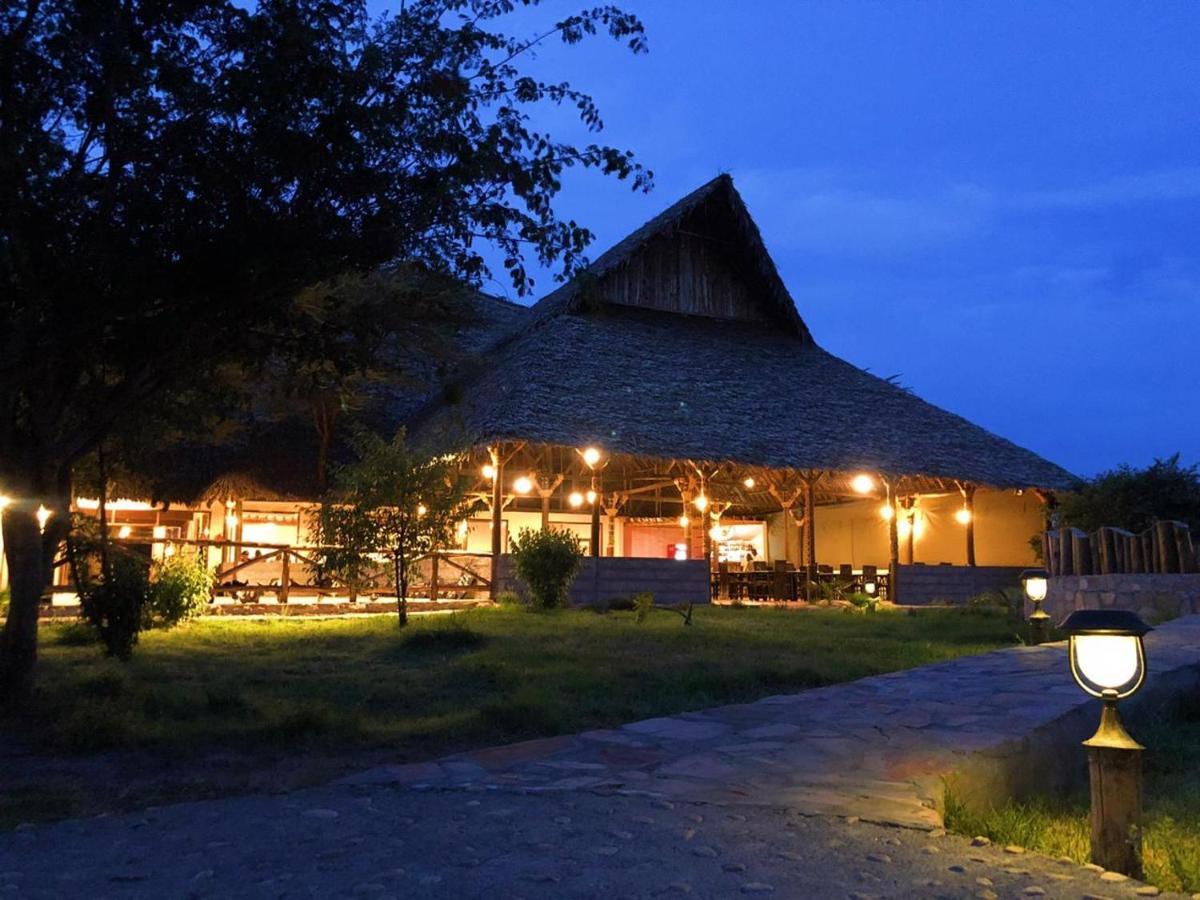
Kenya draws solo travellers with a combination few countries can match: Maasai Mara game drives at dawn, swahili coast beaches, and a fast-growing urban scene in Nairobi. Whether you're planning a safari circuit, a coastal detox week, or a base for business meetings, knowing which hotel fits your solo itinerary makes the difference between a trip that flows and one that costs you time and money.
What It's Like Staying in Kenya as a Solo Traveller
Kenya is one of the most logistically accessible countries in East Africa for independent travellers, with a well-developed network of domestic flights, Uber availability in Nairobi, and English as an official language - which removes a major barrier for solo navigation. Nairobi is the unavoidable hub for most itineraries: it connects to the coast, the Rift Valley, and the Maasai Mara without requiring long overland routes. The social atmosphere in most hotels ranges from active and communal in Nairobi's Karen suburb to quiet and self-contained along the Kilifi coast, so your experience will shift significantly depending on where you base yourself.
Pros:
Solo travellers benefit from Kenya's English-speaking hospitality sector, making check-ins, transport negotiations, and restaurant orders straightforward without a local guide
Domestic flight connections between Nairobi, Malindi, and Kisumu mean around 1-hour hops replace multi-day road journeys, saving solo travellers significant time
Hotel bars and shared lounges in properties across Nairobi and Naivasha serve as natural meeting points where solo guests routinely connect with other travellers or locals
Cons:
Single-occupancy surcharges are common in Kenya, particularly in safari lodges and upscale Nairobi hotels, adding a noticeable cost premium versus shared rooms
Night-time movement in Nairobi requires caution - solo travellers should rely on Uber or hotel-arranged transfers rather than walking after dark in unfamiliar neighbourhoods
Some coastal areas near Kilifi have limited public transport, meaning solo travellers without a rental vehicle depend on hotel-organised excursions or expensive taxis
Why Choose a Hotel Built for Solo Stays in Kenya
Hotels that cater to solo travellers in Kenya typically offer shared lounges, communal dining areas, and on-site activity coordination - features that matter more here than in destinations where solo exploration is frictionless. Shared lounge access and 24-hour front desks are not just amenities: in Kenya, they function as safety nets, giving solo guests a reliable point of contact for route advice, emergency support, and transport booking at any hour. Wellness-oriented properties and those with integrated restaurants reduce the pressure of navigating unfamiliar areas alone, especially after dark in cities like Nairobi.
Compared to group safari packages, independent hotel stays give solo travellers the flexibility to customise departure times, skip group itineraries, and allocate budget toward experiences rather than packaged tours. Properties with airport transfer services eliminate the single most stressful moment of solo arrival - finding safe transport from an unfamiliar airport, which in Kenya can involve aggressive touting. Around 60% of solo travellers in Kenya cite airport arrival logistics as their primary concern before travel, making this a practical, not cosmetic, hotel feature.
Pros:
Hotels with shared lounges and communal kitchens create low-pressure social environments where solo travellers can connect without committing to group tours
On-site restaurants with diverse menus - including vegetarian and halal options - remove the need to find reliable solo dining spots in unfamiliar Kenyan towns
Airport transfer services included or bookable at the hotel reduce vulnerability during arrival and departure in Nairobi and coastal airports
Cons:
Solo-room pricing in mid-range and upscale Kenyan hotels rarely reflects true value - you often pay close to the double-occupancy rate for a smaller or equivalent room
Properties outside Nairobi and major coastal towns may lack consistent WiFi, complicating remote work or communication-dependent solo trips
Hotels with large tour-group clientele can feel socially isolating for solo travellers who don't fit the group dynamic, despite being in the same property
Practical Booking and Area Strategy for Solo Travellers in Kenya
Nairobi's Karen suburb is the most strategically positioned base for solo travellers: it sits close to Wilson Airport for domestic connections, within reach of the Nairobi Giraffe Centre, and offers a safer, quieter residential environment than the CBD. Naivasha is the strongest choice for solo travellers focused on the Rift Valley - Hell's Gate National Park allows self-guided cycling and hiking, a rarity among Kenyan parks that makes it uniquely suited to independent exploration without hiring a guide. The Kilifi coast, roughly 34 km from Watamu Marine Park, suits solo travellers who want beach access and watersports without the higher prices and crowds of Diani Beach further south.
Book at least 6 weeks ahead for travel during July-October, when the dry season overlaps with peak safari demand and coastal high season simultaneously. For solo travellers combining Nairobi with a coastal stay, routing through Malindi Airport on the return leg rather than doubling back through Nairobi saves a full travel day. Naivasha is reachable in under 2 hours from Nairobi by road, making it viable as a 2-night extension without requiring domestic flights, which is a strong cost-efficiency play for budget-conscious solo travellers.
Hotels in Nairobi for Solo Travellers
Nairobi's Karen suburb offers solo travellers a quieter residential atmosphere with proximity to key attractions and Wilson Airport, making it the most practical urban base in Kenya.
-
1. Entim Sidai Wellness Sanctuary
Show on map


 Check-infrom 14:00 until 23:30Check-outfrom 06:00 until 10:00
Just a few rooms left at the best rate!
fromKES 17183
-
2. Hemingways Eden Residence
Show on map


 Check-infrom 13:00 until 23:00Check-outuntil 10:00
Just a few rooms left at the best rate!
fromKES 65116
Hotels in Naivasha and the Kilifi Coast for Solo Travellers
Beyond Nairobi, Naivasha's Rift Valley access and Kilifi's Indian Ocean beachfront represent two contrasting solo travel experiences - one activity-driven, one restorative - both within a manageable distance from the capital.
-
3. Astorian Grand Hotel Naivasha
Show on map


 Check-infrom 10:00 until 23:59Check-outfrom 10:00 until 12:00
Hurry – almost gone at this price!
fromKES 10465
-
4. Mnarani Beach Club
Show on map


 Check-infrom 14:00 until 23:59Check-outuntil 10:00
Rooms filling fast – secure the best rate!
fromKES 22868
Smart Timing and Booking Strategy for Solo Travellers in Kenya
Kenya's peak travel season runs July through October, driven by the dry weather on the Maasai Mara and the predictable Indian Ocean conditions on the coast - during this window, hotel rates in Nairobi and Kilifi can spike sharply, and availability at well-positioned properties like Mnarani Beach Club and Hemingways Eden Residence tightens by late May. Booking at least 6 weeks in advance during this period is not precautionary advice - it's the difference between securing a solo room at a managed rate and paying a last-minute premium for a less strategically located property. The shoulder months of November and April offer a practical middle ground: lower prices, thinner crowds, and still-manageable weather outside of the short and long rains respectively.
Solo travellers spending fewer than 5 nights in Kenya tend to concentrate in Nairobi without reaching the coast or Rift Valley, which limits the trip's value significantly. A circuit of Nairobi (2 nights) combined with either Naivasha or Kilifi (2-3 nights) captures Kenya's geographic contrast without requiring domestic flights. January through February is the quietest window for Nairobi hotel pricing, making it the strongest entry point for solo travellers on tighter budgets who still want access to the city's museums, wildlife centres, and restaurant scene before the peak season surge.