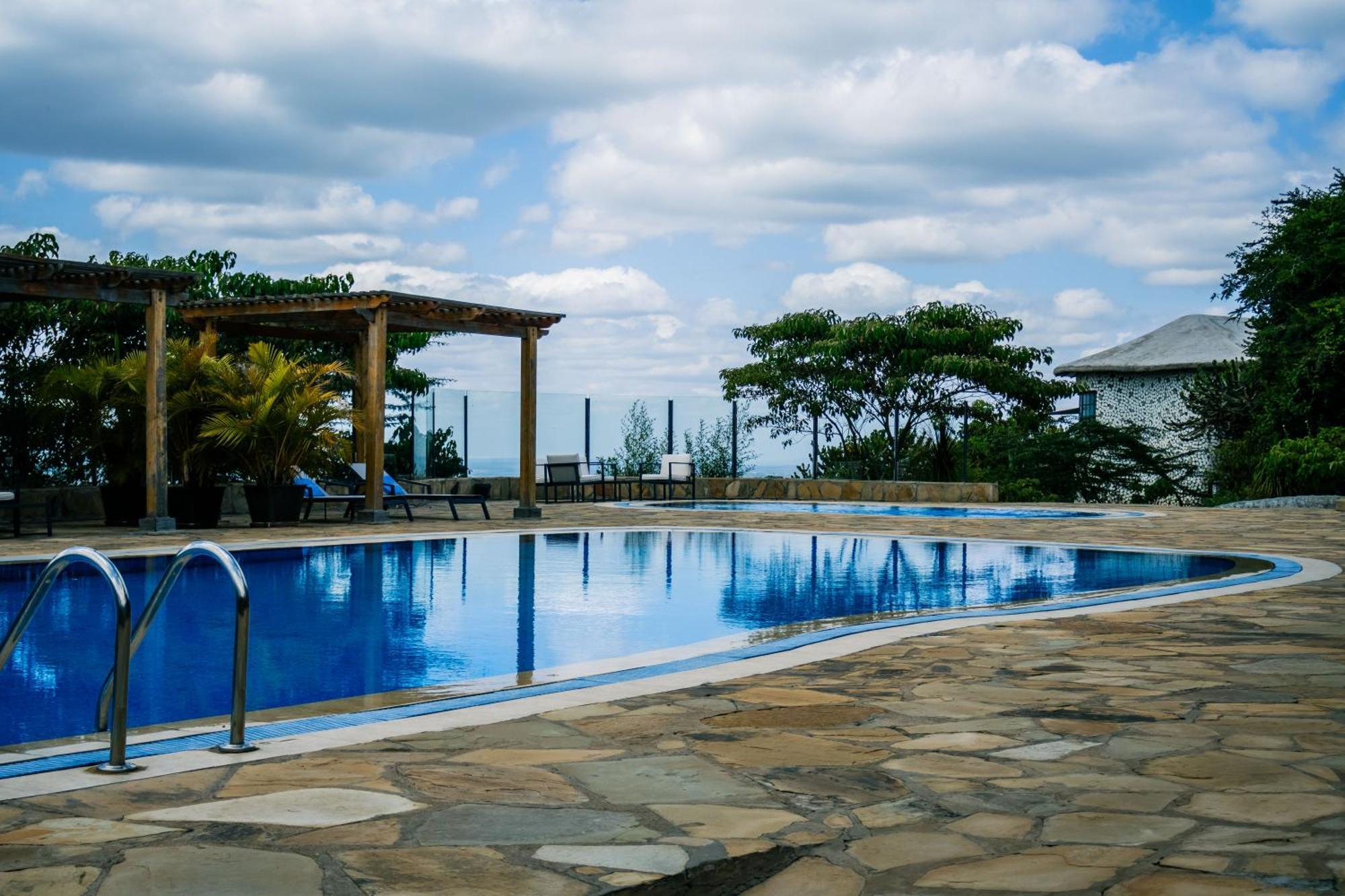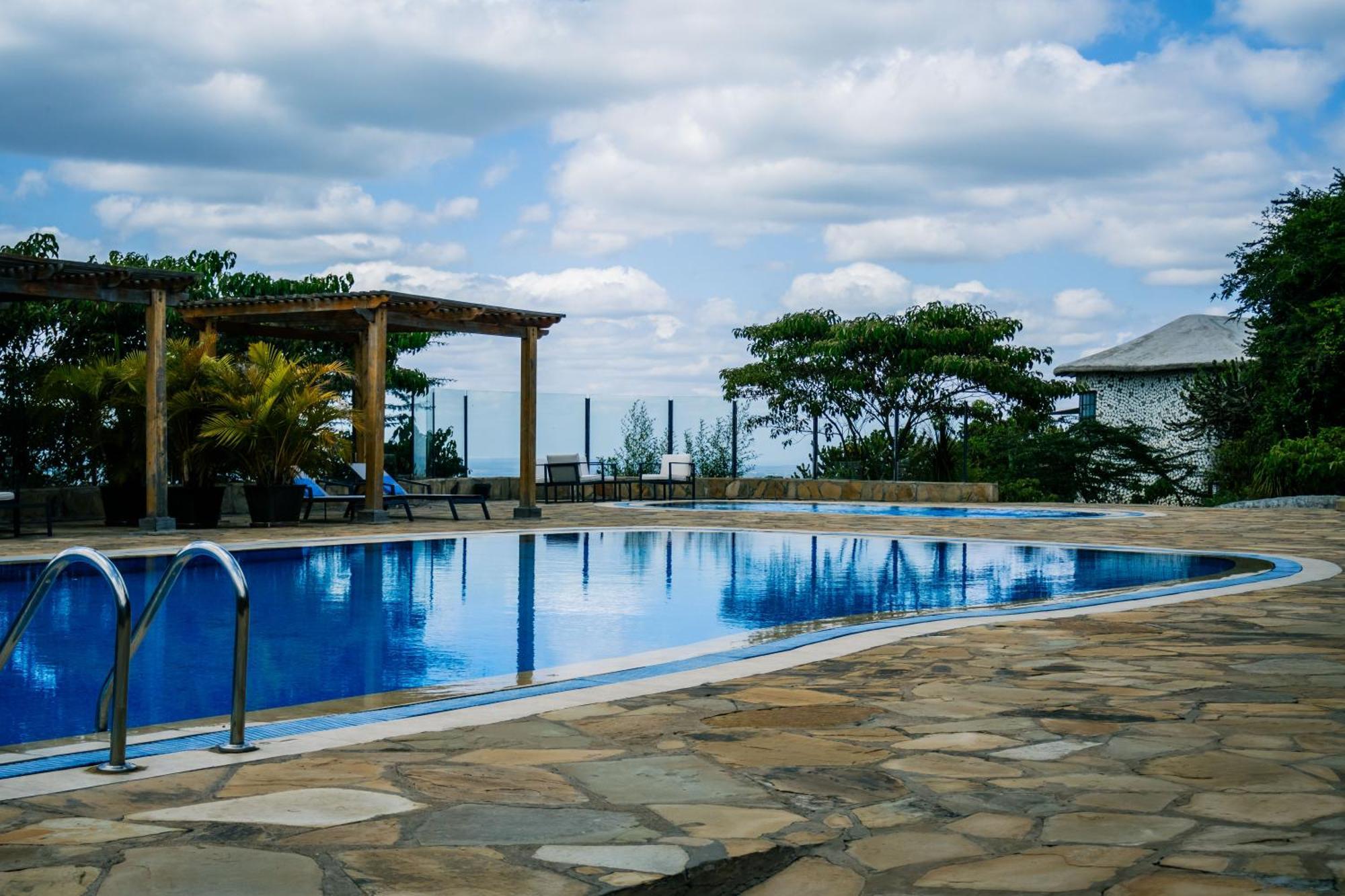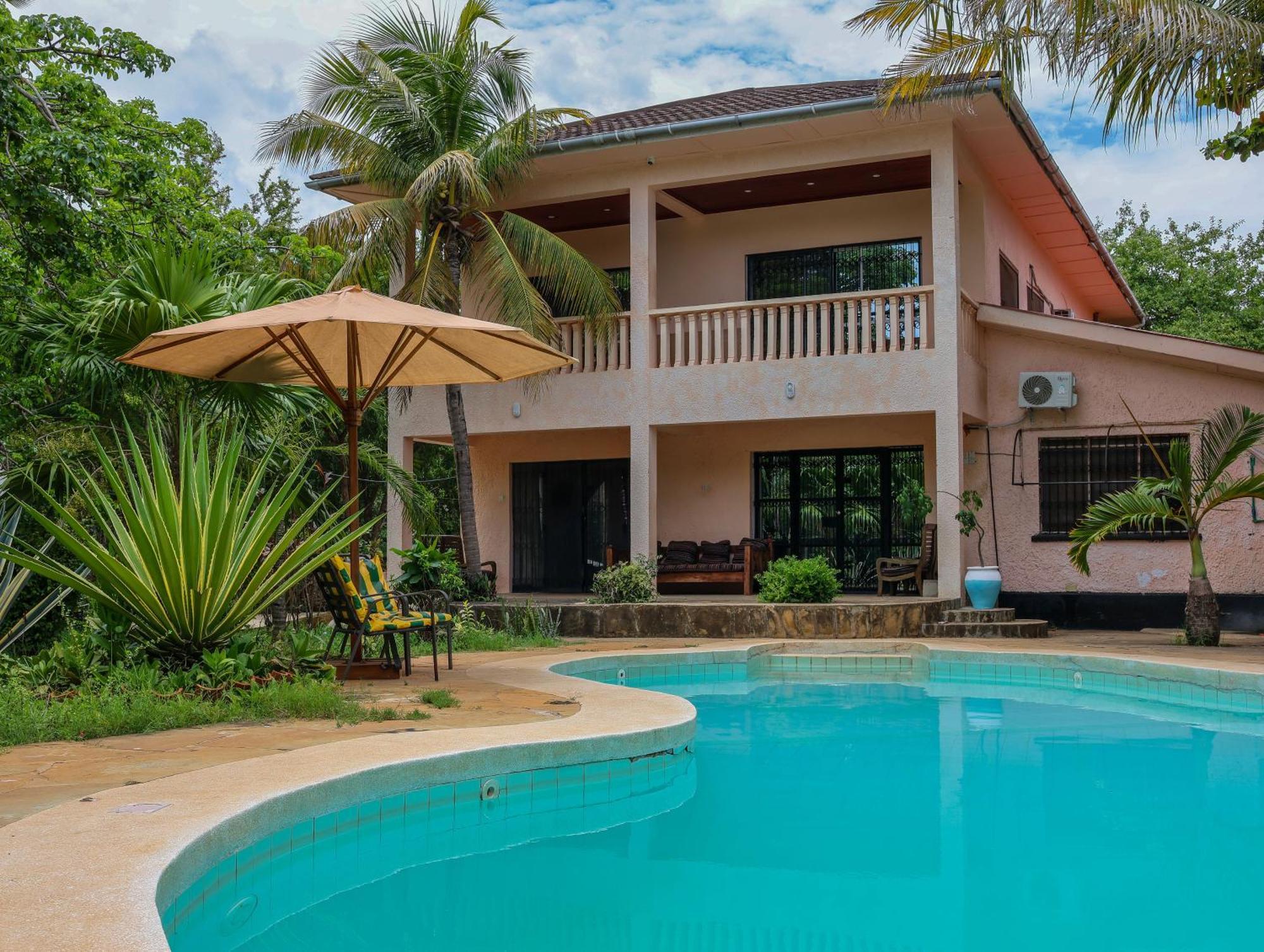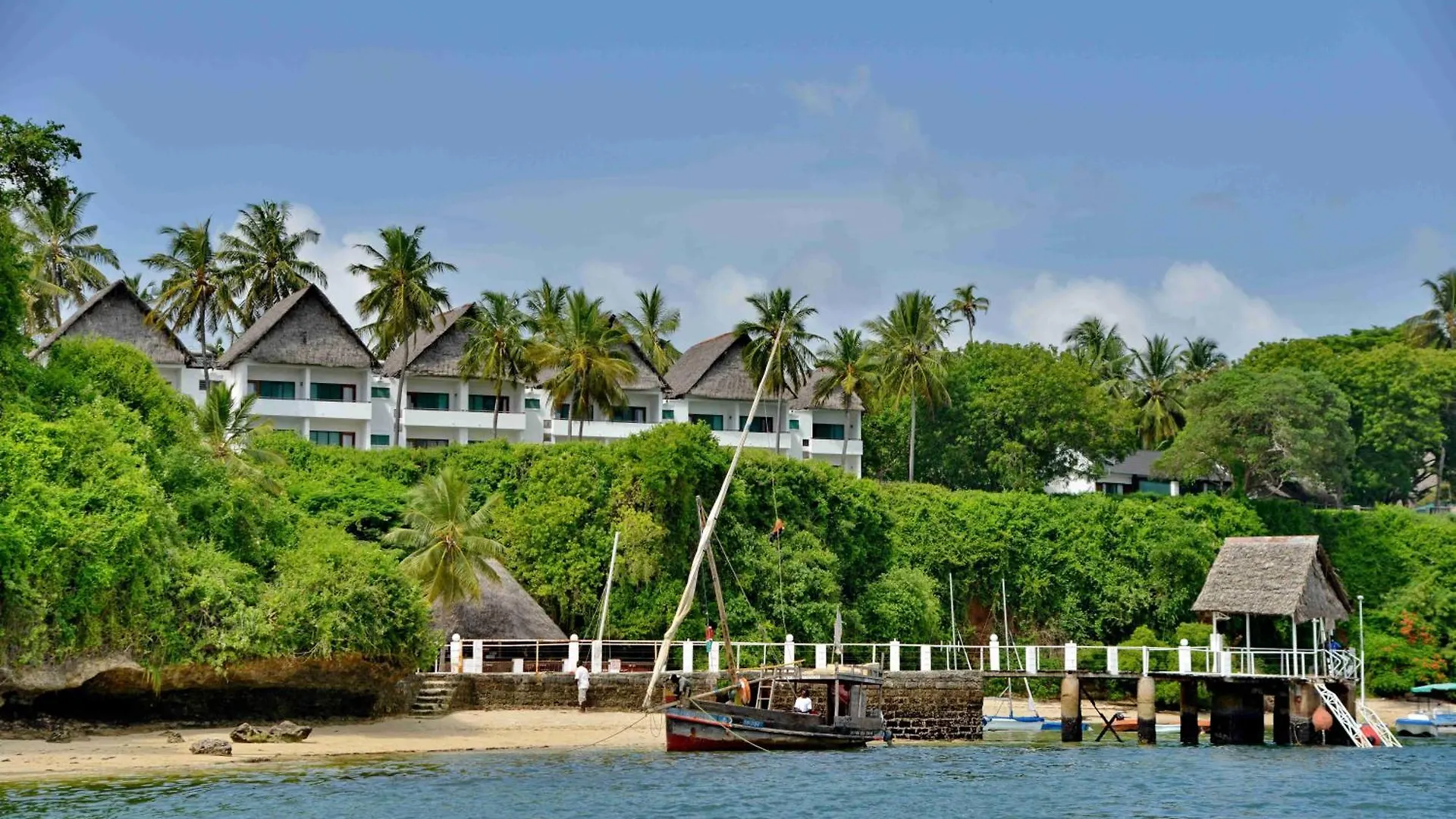
Africa's coastline stretches across the Indian Ocean, the Atlantic, and the Red Sea, offering beach hotel experiences that range from barefoot-luxury island resorts to marine park-adjacent retreats. Whether you're drawn to Kenya's Kilifi Creek, the dhow-sailing channels of Lamu, or the wildlife-fringe lodges of Amboseli, the continent's beach and waterfront properties deliver a level of variety that few regions can match. This guide covers five standout properties across East Africa to help you compare, decide, and book with confidence.
What It's Like Staying at Africa's Beach Destinations
Africa's Indian Ocean coast - particularly Kenya's stretch from Kilifi to Lamu - operates on a slower, tide-driven rhythm that rewards guests who plan logistics carefully. Boat transfers, tidal schedules, and unpaved coastal roads are real factors that affect arrival times and daily movement, not just scenic backdrops. Most beach destinations here are genuinely remote, which means crowds are thin but infrastructure is limited - a trade-off that defines the experience.
Staying on Kenya's coast puts you within reach of marine parks, Swahili ruins, and mangrove ecosystems, but transport between towns often relies on matatus (shared minibuses) or private transfers that add cost. Around 70% of beach properties here include airport shuttle options, but these should be pre-booked rather than assumed. The dry season from June to October delivers reliable conditions but also the highest rates.
Pros:
- Genuinely uncrowded beaches compared to Mediterranean or Southeast Asian alternatives
- Direct access to coral reefs, marine parks, and mangrove channels from most properties
- Strong Swahili cultural context adds depth beyond standard beach tourism
Cons:
- Remote locations mean limited dining and nightlife options outside the resort
- Road quality and transfer distances can make arrival days exhausting
- Malaria risk in coastal Kenya requires prophylaxis planning before travel
Why Choose a Beach Hotel in Africa
Beach hotels along Africa's east coast offer a combination that's hard to replicate elsewhere: direct Indian Ocean frontage, access to UNESCO-listed marine ecosystems, and architectural styles - Swahili, Arabesque, and colonial - that are specific to this coastline. Unlike beach resorts in the Maldives or Thailand, most Kenyan coastal properties sit within reach of inhabited towns and cultural sites, giving stays a layered quality rather than a purely isolated resort feel.
Price positioning varies significantly by island access and exclusivity. Island-based properties like The Majlis Resort in Lamu command premium rates partly due to boat transfer logistics and limited bed inventory. Mainland beach clubs in Kilifi can offer comparable ocean views at lower nightly rates, with the added benefit of ground-level access to local towns. Room sizes at East African beach resorts tend to be generous - four-poster beds with mosquito nets and private balconies are standard at mid-tier and above - but air conditioning reliability varies and should be confirmed before booking.
Pros:
- Access to coral reef snorkeling and watersports directly from most properties
- Architectural and cultural authenticity specific to Swahili coast design traditions
- Smaller guest-to-beach ratios than comparable resorts in more touristed regions
Cons:
- Wi-Fi quality at remote properties is often inconsistent, especially on islands
- Transfers to/from airports add cost and complexity to every arrival and departure
- Limited choice of outside restaurants means you're largely dependent on in-house dining
Practical Booking & Area Strategy for Africa's Coast
Kenya's coastal beach hotel corridor divides naturally into three zones: Lamu Archipelago in the north (island-access only, reached via Manda Airport), Kilifi in the central coast (around 60 km north of Mombasa, accessible by road or the Kilifi-Mombasa highway), and Amboseli in the interior (not coastal but offering waterfront-adjacent bush lodge experiences near the Tanzania border). Each zone has a distinct transport logic - Lamu requires a short boat transfer from the airstrip, while Kilifi is drivable from Mombasa in under 90 minutes under normal traffic conditions.
For beach-focused stays, Kilifi is the most logistically straightforward base: two established beach clubs operate within walking distance of the creek, and the town itself has local restaurants and a small market. Lamu demands more commitment but rewards it with a UNESCO World Heritage Old Town and vehicle-free streets. Book Lamu properties at least 8 weeks ahead during July-August and December-January, when both Kenyan domestic travelers and European winter-escape visitors compete for limited island beds. Amboseli's AA Lodge is a legitimate detour for travelers who want Big Five game drives and a pool - Mt. Kilimanjaro is visible on clear mornings from the lodge grounds.
Best Value Beach Stays
These properties deliver strong ocean access and solid facilities at rates that reflect their mainland or creek-side positioning rather than remote island premiums.
-
1. Kilifi Bay Beach Resort
Show on map


 Check-infrom 12:00 until 23:59Check-outfrom 01:00 until 11:00
Just a few rooms left at the best rate!
fromKES 25452
-
2. Mnarani Beach Club
Show on map


 Check-infrom 14:00 until 23:59Check-outuntil 10:00
Just a few rooms left at the best rate!
fromKES 22868
-
3. Jacaranda Beach Resort
Show on map


 Check-infrom 12:00 until 23:30Check-outuntil 10:00
Hurry – almost gone at this price!
fromKES 68088
-
4. Aa Lodge Amboseli
Show on map


 Check-infrom 10:00 until 21:00Check-outfrom 09:00 until 10:00
Hurry – almost gone at this price!
fromKES 45349
Best Premium Beach Stay
For travelers prioritizing island exclusivity, architectural distinction, and a curated Swahili coast experience, this property operates at a different level from mainland alternatives.
-
5. The Majlis Resort
Show on map


 Check-infrom 12:00 until 17:00Check-outuntil 10:00
Rooms filling fast – secure the best rate!
fromKES 40827
Smart Travel & Timing Advice for Africa's Beach Hotels
Kenya's coastal beach hotel season has two reliable peaks: July to August (European summer, overlapping with Kenya's dry season) and mid-December to early January (festive period). During these windows, properties in Kilifi and especially Lamu fill quickly, and rates at island resorts can increase by around 40% compared to low-season pricing. Booking at least 8 weeks ahead for July-August travel is strongly advised, particularly for properties with limited room inventory like The Majlis Resort on Manda Island.
The long rains (April to May) represent the lowest rates across the board and the thinnest crowds, but humidity is high and some access roads in coastal Kenya become difficult. October and November offer a practical middle ground - post-rains, pre-festive pricing - and are increasingly popular with travelers who prioritize value over peak-season timing. For Amboseli, the dry season from June to October delivers the clearest Kilimanjaro views and the best game-drive conditions, making it the priority booking window for AA Lodge. A minimum of 3 nights is the practical threshold for any island-based Lamu stay, given the logistics of the boat transfer and the density of cultural and watersport activity available once you're settled.